
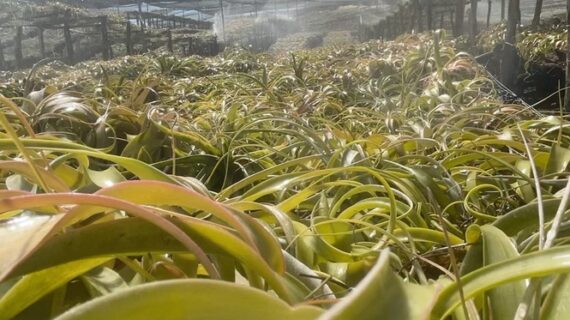
Unlike most plants, which absorb water through their roots, Tillandsias take in moisture and nutrients through their leaves. This unique process is made possible by tiny hair-like structures called trichomes, which trap water from the air or direct contact. Because of this, Tillandsias rely on consistent watering to mimic their natural habitat, which includes humid conditions, frequent rainfall, and good airflow.
How often you should water your air plants depends on the environment you’re keeping them in, as well as factors like light, temperature, and humidity. However, a general guideline is to:
Keep an eye on your plant’s condition. If its leaves begin to curl or feel crispy, it likely needs more water. Conversely, soft or mushy leaves could indicate overwatering.
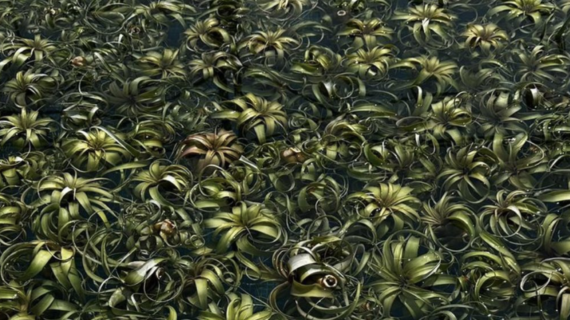
The soaking method is the most effective way to water air plants, ensuring they’re thoroughly hydrated.
This method is ideal for weekly watering and works well for larger Tillandsias like Tillandsia xerographica.
Misting is a good supplemental watering method, especially in between soaks or for plants in very humid environments.
Note: Misting is not always sufficient as the primary watering method, especially for larger or thirstier species.
The dunking method is a quicker alternative to soaking and works well if you’re short on time.
This method is especially helpful for smaller Tillandsias or those mounted in hard-to-remove displays.
How often you water your air plants depends on your environment, the species of Tillandsia, and their placement in your home. With a regular watering routine, good airflow, and an eye on your plant’s condition, you can keep your Tillandsias healthy and vibrant. Remember, these plants are incredibly resilient—find the balance that works best for your home, and enjoy watching them thrive!

— shipping to Asia, Europe & America.
Ready to Order?
Let's Talk.
Send us your inquiry and we'll get back to you with pricing and availability.
sales@airplantsworld.com
Teculután, Zacapa, Guatemala, Central America