
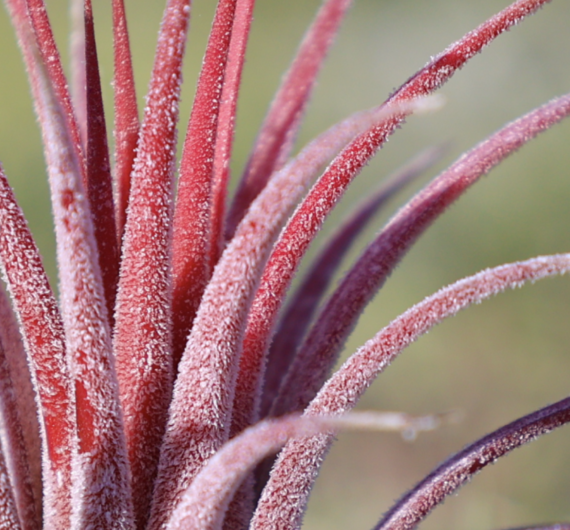
Tillandsias are some of the most unique and fascinating plants in the world. They grow without soil, thrive in a variety of environments, and reproduce in ways that highlight their adaptability. Understanding the life cycle of Tillandsias is key to appreciating their beauty and resilience. From seed to bloom to pup production, every stage of their life cycle is a marvel of nature. Let’s dive into the journey of a Tillandsia’s life.
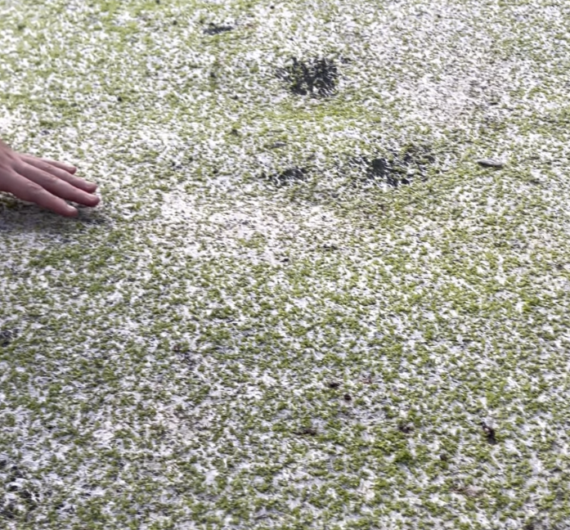
The life cycle of a Tillandsia begins with a seed, which forms after the plant blooms and is pollinated. In their natural habitat, Tillandsias rely on pollinators like bees, hummingbirds, and other insects to fertilize their flowers. Once pollinated, the plant develops a seed pod.
When the seed pod matures, it dries out and splits open, releasing tiny seeds attached to fluffy, dandelion-like filaments. These filaments help the seeds float on the wind, allowing them to travel and attach to new surfaces like tree branches, rocks, or cliffs.
Once the seed finds a suitable spot, it germinates. Germination can take weeks or months, depending on environmental conditions. The young plant anchors itself to the surface with small root-like structures called holdfasts, which provide stability but don’t absorb nutrients.
After germination, the Tillandsia enters its growth phase, where it gradually develops its signature leaves. These leaves are covered with trichomes, tiny hair-like structures that allow the plant to absorb water and nutrients from the air.
Most Tillandsias are slow growers. Depending on the species, it may take several years for a plant to reach full size and prepare for its next stage: blooming.
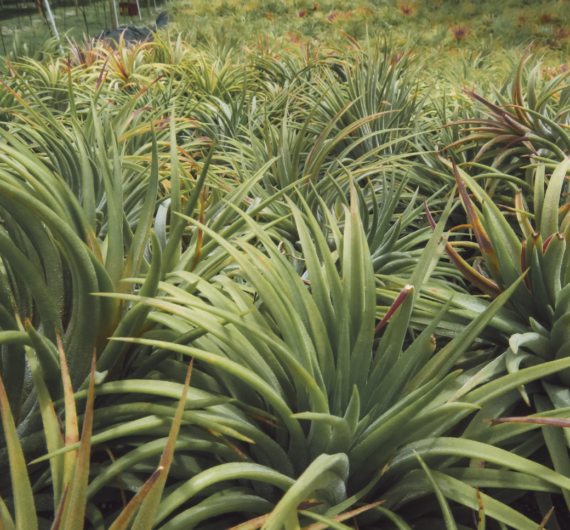
Blooming is one of the most exciting stages in the life cycle of a Tillandsia. Each Tillandsia blooms only once in its lifetime, but the flowers and color changes make it a spectacular event.
The flowers are often tubular and come in vivid colors like purple, yellow, or red. They attract pollinators, which are essential for seed production. Depending on the species, the blooming phase can last anywhere from a few days to several months.
The life cycle of Tillandsias is a fascinating journey, from tiny seeds carried on the wind to blooming plants that produce vibrant flowers and baby pups. By understanding and supporting each stage of their life cycle, you can enjoy the beauty and resilience of these unique plants for years to come. Whether you’re growing them from seeds or propagating pups, Tillandsias never fail to captivate and inspire.

— shipping to Asia, Europe & America.
Ready to Order?
Let's Talk.
Send us your inquiry and we'll get back to you with pricing and availability.
sales@airplantsworld.com
Teculután, Zacapa, Guatemala, Central America